Science & Responsible Innovation

Rigor first.
Claims only when earned.

SHIBH commits to conservative, evidence-based science and to sourcing that protects ecosystems, threatened species, and the communities and knowledge that make this work possible.

Responsible Sourcing

Current

Five commitments.

๐Ÿค

Prior Informed Consent

Community consent is sought before collection on community-managed land โ€” a precondition, not a formality.

โš–๏ธ

Access & Benefit Sharing

We design for fair benefit sharing, consistent with Nepal's regulations and the spirit of the Nagoya Protocol.

๐ŸŒฑ

Sustainable Harvesting

Cultivation-based supply is prioritized to reduce pressure on wild populations, especially for at-risk species.

๐Ÿ›ก๏ธ

Threatened-Species Protection

CITES-listed species (e.g. Nardostachys jatamansi) are excluded from commercial extraction.

๐Ÿ“–

Traditional Knowledge

Traditional knowledge is documented with consent and credited; it is not appropriated or claimed as proprietary.

๐Ÿ”ฌ

Open Method

We intend to publish methods and validation openly where possible, building shared scientific capacity in Nepal.

Under development

Keeping more value in Nepal.

Nepal often captures limited value when medicinal plants are sold as unprocessed or minimally processed raw materials.

SHIBH aims to evaluate whether scientific characterization, responsible processing, standardization, and local product development can retain more economic value within Nepal. We publish no value figures or multipliers at this stage; any economic findings will follow baseline assessment and pilot work.

Our standard

"A scientifically plausible hypothesis is not a validated claim."

We describe the value we aim to create, not outcomes we have achieved. Economic and scientific claims follow evidence.

Molecules of Interest

Under development

The chemistry we study.

Our priority species contain well-characterized compounds documented across the scientific literature. We study them; we do not make therapeutic claims about them.

Berberine

Isoquinoline alkaloid โ€” Berberis aristata

Swertiamarin

Secoiridoid glycoside โ€” Swertia chirayita

Amarogentin

Secoiridoid glycoside โ€” Swertia chirayita

Jatamansone

Sesquiterpene โ€” reference only (protected species)

Field Documentation

From landscape to sample.
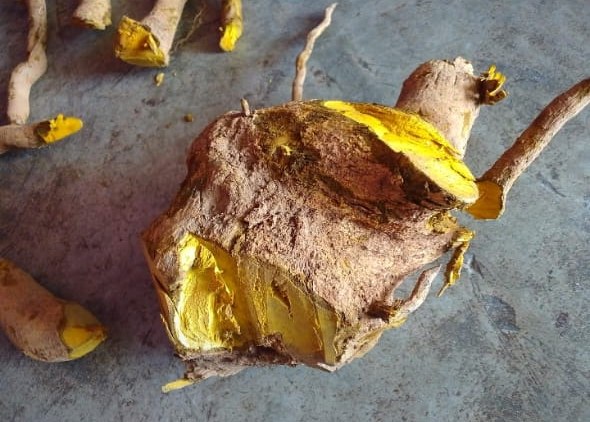
Our earliest scientific work is careful documentation of field-collected material โ€” the necessary first step before any analytical characterization.

Berberine-bearing Berberis root, field-collected in Solukhumbu
Berberine-bearing Berberis root, field-collected in Solukhumbu. Original field photograph, SHIBH.
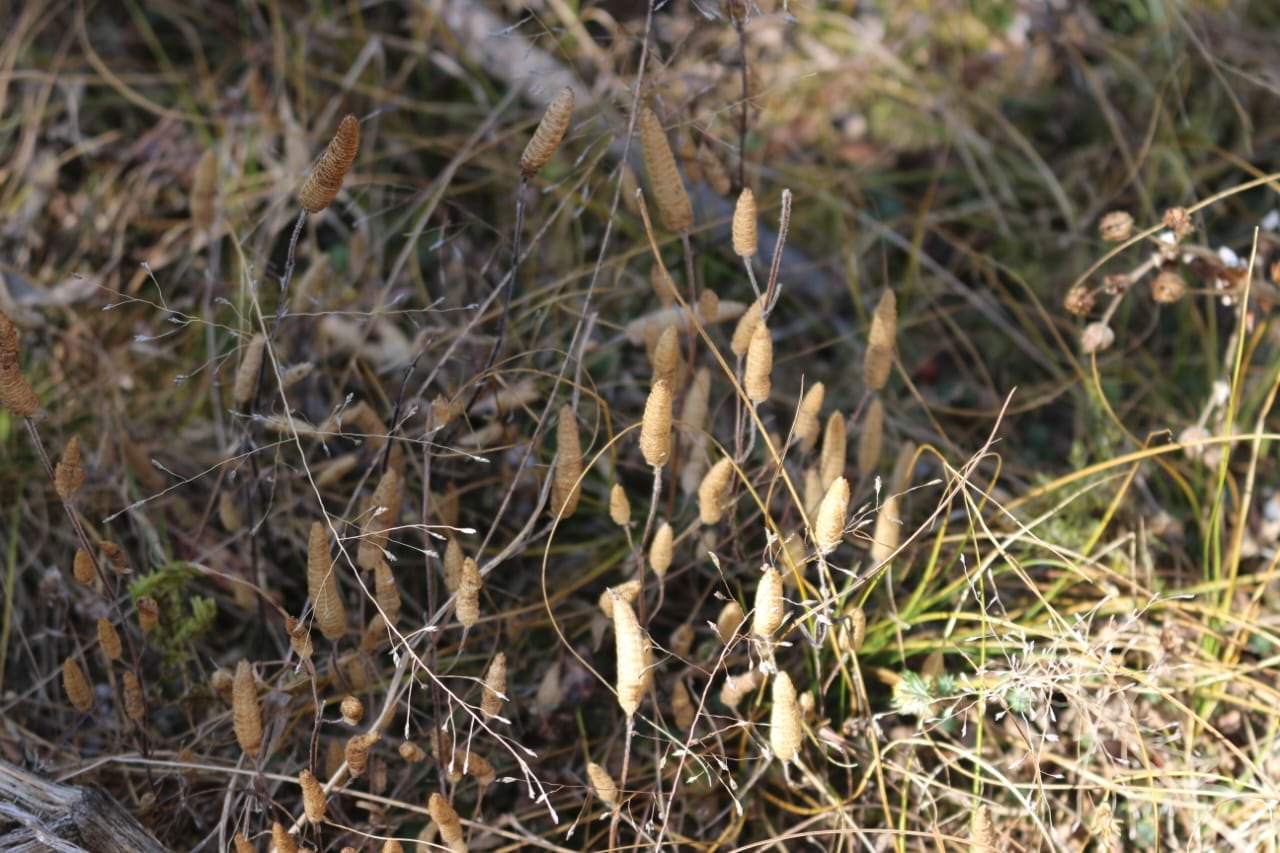
Club moss (Lycopodium) documented during field observations in Solukhumbu
Club moss (Lycopodium) documented during field observations in Solukhumbu. Original field photograph, SHIBH.